
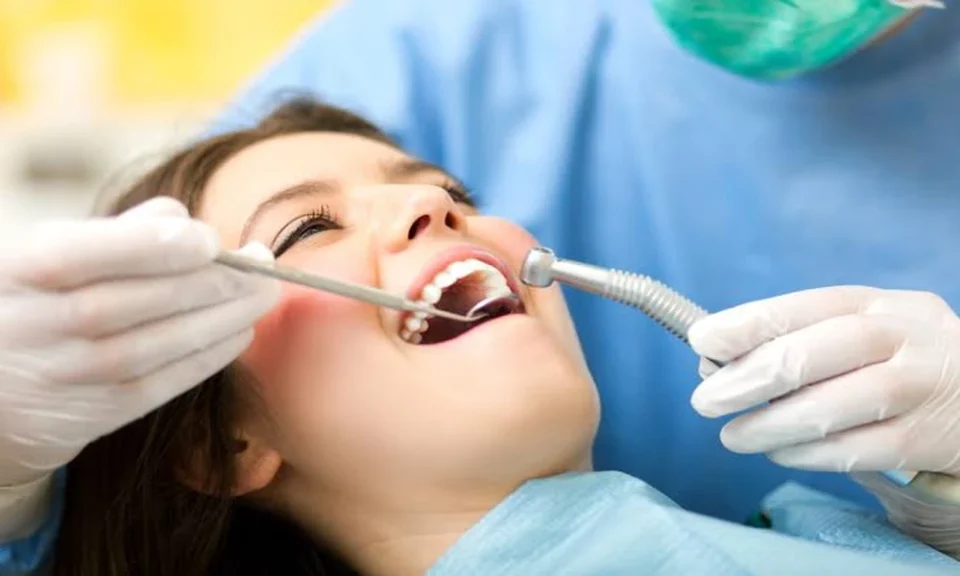
You may have gone to bed with a mild toothache and woken up with swelling, sharp pain, or a broken tooth that changes the whole day. That kind of problem does not feel like a normal dentist visit. It feels urgent, distracting, and hard to ignore. A routine checkup is built to prevent trouble and catch small issues early. An emergency dental exam is different because the goal is to find the source of immediate pain, stop damage from getting worse, and help you function again at a dental practice in Elizabeth, NJ.
That difference matters when you are trying to decide whether to wait for your next cleaning or call a general and emergency dentist right away. One visit is planned and preventive. The other is focused and problem driven. Both protect your oral health, but they serve you in very different moments.
An emergency dental exam focuses on pain, injury, and fast answers
A routine dental checkup usually happens on a schedule. You come in even if nothing feels wrong. The dentist looks for cavities, gum disease, wear, bite problems, and early signs of issues that have not caused symptoms yet. Preventive visits often include X-rays when needed, a cleaning, and a review of habits that affect your teeth and gums. MedlinePlus explains that a dental exam is used to check the teeth, gums, and mouth for problems before they grow.
An emergency dental evaluation starts from a different place. You already know something is wrong. You may have a cracked tooth after biting down on something hard, sudden swelling near the gums, bleeding that will not stop, or pain that keeps pulsing through your jaw. In that moment, the dentist is not leading with a full preventive review. The first job is to locate the cause, assess how serious it is, and relieve the immediate problem.
That often means targeted imaging, a close look at one area, and treatment that stabilizes the tooth or infection. If you have facial swelling, fever, or trouble chewing, waiting can make a manageable problem much harder and more expensive to fix.
A routine checkup looks for hidden problems before they turn into emergencies
Routine care can feel easy to postpone because there is no crisis pushing you through the door. That is often how people end up needing urgent care. A tiny cavity does not stay tiny forever. A loose filling can break further. Mild gum irritation can turn into deeper infection. According to the CDC, many adults have untreated dental problems, and access to regular care still affects who gets treatment and when. You can review recent national data in this CDC data brief on oral and dental health.
A standard exam gives your dentist time to notice changes you may not feel yet. Early decay, gum pockets, enamel wear from grinding, and old dental work that is starting to fail are usually easier to treat when they are caught during a checkup. That is the quiet value of prevention. You are not reacting to pain. You are reducing the chance that pain takes over later.
Emergency dental care becomes necessary when prevention did not get the chance to work, or when an accident or sudden infection changes the situation fast.
The biggest differences show up in timing, scope, and treatment
If you are deciding between waiting and calling now, the symptoms matter. Sharp tooth pain, swelling, pus, a knocked out tooth, a fractured tooth, or bleeding after trauma usually call for prompt care. MedlinePlus lists common reasons for a toothache, including decay, infection, and injury, and those causes often need more than home care.
A routine oral exam is broader. It reviews your whole mouth and long term health. An urgent dental exam is narrower but more immediate. It centers on the problem area and what needs to happen first. Sometimes the first visit solves the issue that day. Sometimes it buys time by controlling pain, draining infection, placing a temporary fix, or planning the next procedure once the area is stable.
| Feature | Routine Checkup | Emergency Dental Exam |
|---|---|---|
| Main purpose | Prevention and early detection | Pain relief, diagnosis, and urgent treatment |
| When it happens | Scheduled every few months or as advised | As soon as symptoms or injury appear |
| Focus of exam | Whole mouth review | Specific painful or damaged area |
| Common services | Cleaning, routine X-rays, exam, preventive planning | Targeted X-rays, infection assessment, temporary or immediate repair |
| Typical symptoms | Often none | Toothache, swelling, broken tooth, lost filling, trauma, bleeding |
| Cost pattern | Usually more predictable | Can vary based on the cause and treatment needed |
Knowing which visit you need can save time, money, and stress
People often try to judge dental pain by whether they can still get through the day. That is not always a safe test. You can still go to work with an infection building under a tooth. You can still eat on one side while a crack keeps spreading. The problem is that delay often turns a smaller fix into a larger one.
If the issue is mild sensitivity that comes and goes, no visible damage, and no swelling, a regular dental appointment may be enough. If the pain is strong, the tooth is damaged, your face or gums are swollen, or the problem started after an injury, a prompt exam makes more sense than waiting for the next standard visit.
Three steps you can take right now
1. Check the warning signs clearly. Look for swelling, bleeding, a chipped or loose tooth, pain that wakes you up, fever, bad taste in the mouth, or pain when biting. Those signs point more toward an urgent dental exam than a routine cleaning visit.
2. Protect the area until you are seen. Rinse gently with warm salt water, avoid chewing on the painful side, and use a cold compress on the outside of the face if there is swelling. Do not place aspirin directly on the gums. If a tooth has been knocked out, handle it by the crown, not the root.
3. Call for the right kind of appointment. Say exactly what happened, when it started, and whether you have swelling, trauma, or severe pain. That helps the office decide whether you need a same day urgent dental exam or a standard visit.
The right dental visit depends on what your mouth is telling you. A checkup protects you before trouble starts. An emergency exam steps in when the trouble is already here. If you are dealing with pain, swelling, or sudden damage, trust that it deserves attention. Reach out to a general and emergency dentist and ask for the earliest available evaluation.
