
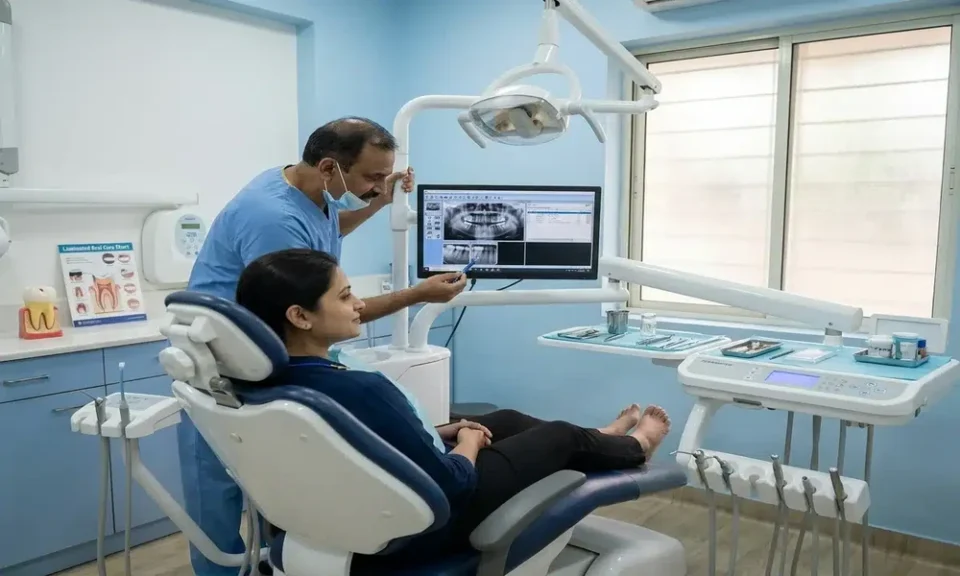
You want your teeth to look better, but not at the cost of pain every time you sip coffee or breathe in cold air. That tension is real. A lot of people already live with sensitivity before they ever think about whitening, bonding, veneers, or other cosmetic work, or even teeth straightening in Hemet, CA, and the fear is simple. If your teeth already react to hot, cold, sweet, or brushing, will making them look better make them feel worse?
It does not have to. The right plan protects comfort and appearance at the same time. Managing tooth sensitivity without sacrificing aesthetic results starts with finding the cause, choosing cosmetic treatment carefully, and building in protection before, during, and after treatment. That is where a skilled general and cosmetic dentist matters.
Tooth sensitivity often starts before cosmetic treatment does
Sensitive teeth are usually a sign that something underneath needs attention. Exposed dentin, worn enamel, gum recession, decay, cracked teeth, grinding, and acidic diets can all trigger that sharp, quick pain. Columbia Dental Medicine explains that sensitivity often happens when the inner part of the tooth becomes exposed, allowing heat, cold, or sweets to reach the nerve more easily. Their page on sensitive teeth lays out these common causes clearly.
This matters because cosmetic dentistry is not one single treatment. Whitening, veneers, bonding, contouring, and crowns affect teeth in different ways. If the real issue is enamel wear or recession, going straight to a cosmetic fix without a full exam can leave you with a nicer smile and more discomfort. That is the part people do not always hear at the start.
Sometimes it begins with whitening strips from the chemist, then cold water starts to sting. Sometimes you have one edge-worn front tooth and want it evened out, but the tooth is already thin from grinding. Sometimes the problem is not cosmetic at all. It is early decay, and catching that first changes everything. Research from the National Institute of Dental and Craniofacial Research highlights how noninvasive approaches can help stop decay early, including a topical solution that halted tooth decay in children. The larger point is straightforward. Prevention and early treatment protect both comfort and looks.
Aesthetic goals and sensitivity control can work together
You do not need to choose between a brighter smile and a comfortable one. You need sequencing. A careful dentist looks at enamel thickness, bite pressure, recession, habits, and existing restorations before recommending cosmetic work. That changes the plan.
If your teeth are sensitive, whitening may still be possible, but the approach may need lower-strength gel, shorter wear times, fluoride or desensitising treatment first, and spacing sessions out rather than pushing through. If one tooth is worn or chipped, bonding may be a better first step than aggressive reshaping. If the enamel is badly worn, veneers might improve appearance, but only after the reason for the wear is under control.
Tooth wear is a major factor here. The UK government’s oral health toolkit explains the causes and patterns of tooth wear, including acid exposure, grinding, and abrasion. If those habits continue, cosmetic treatment can fail early and sensitivity can keep building. That is why cosmetic dental care for sensitive teeth is never just about the surface.
Everyday habits can quietly undo cosmetic dental work
The hard part is that many people do not realise what is driving the pain. Brushing hard with a stiff brush feels thorough, but it can wear the tooth surface near the gumline. Sipping fizzy drinks through the day keeps acid in contact with enamel. Clenching at night can create tiny cracks and edge wear that make front teeth react. Whitening on top of that can feel unbearable, even if the whitening itself was done correctly.
Money gets tied up in this too. If you spend on cosmetic treatment before stabilising sensitivity, you may end up paying twice. First for the look, then for repairs, desensitising care, bite guards, gum treatment, or restoration replacement. A better route is slower, but it is usually cheaper in the long run and far less frustrating.
Professional treatment and home care do different jobs
| Approach | What it can help with | Limits | Best use |
|---|---|---|---|
| Desensitising toothpaste | Mild sensitivity from exposed dentin | Takes time, does not fix cracks, decay, or severe wear | Daily symptom control and maintenance |
| Over the counter whitening | Surface staining, mild brightening | Can worsen sensitivity, one size does not fit all | Only after a dental check if you already have sensitivity |
| Professional whitening | More controlled shade improvement | Still may trigger temporary sensitivity | When adjusted for your enamel, recession, and history |
| Bonding or veneers | Shape, chips, gaps, colour correction | Need stable enamel and bite conditions | After the cause of sensitivity is addressed |
| Exam with a general and cosmetic dentist | Finds the cause and builds a combined comfort and aesthetic plan | Requires time and proper follow through | First step for lasting results |
Practical steps to protect comfort and improve your smile
Get the cause diagnosed before choosing the cosmetic fix. Sensitivity is a symptom, not a full diagnosis. Ask for an exam that checks enamel wear, gum recession, bite pressure, old fillings, cracks, and decay. If you are searching for treating sensitive teeth while improving your smile, this is the step that keeps you from guessing.
Ask for a staged treatment plan. The safest cosmetic care often happens in phases. That can mean calming sensitivity first with fluoride, desensitising agents, or bite protection, then moving to whitening or bonding once the teeth are stable. A staged plan feels slower, but it usually gives better aesthetic results and less regret.
Change the habits that keep triggering pain. Use a soft brush, avoid scrubbing side to side at the gumline, limit constant acidic drinks, and wear a night guard if you clench or grind. Even the best general and cosmetic dentist cannot protect your smile if the daily wear continues unchecked.
Comfort and appearance do not have to compete
If you have been putting off cosmetic treatment because your teeth already hurt, your caution makes sense. If you have already had cosmetic work and sensitivity followed, that frustration makes sense too. The answer is not to give up on the look you want. It is to treat the pain and the appearance as part of the same plan.
With the right diagnosis, careful product choice, and sensible timing, you can improve your smile without making daily life harder. Reach out to a general and cosmetic dentist to discuss a treatment plan that protects both comfort and appearance.
