
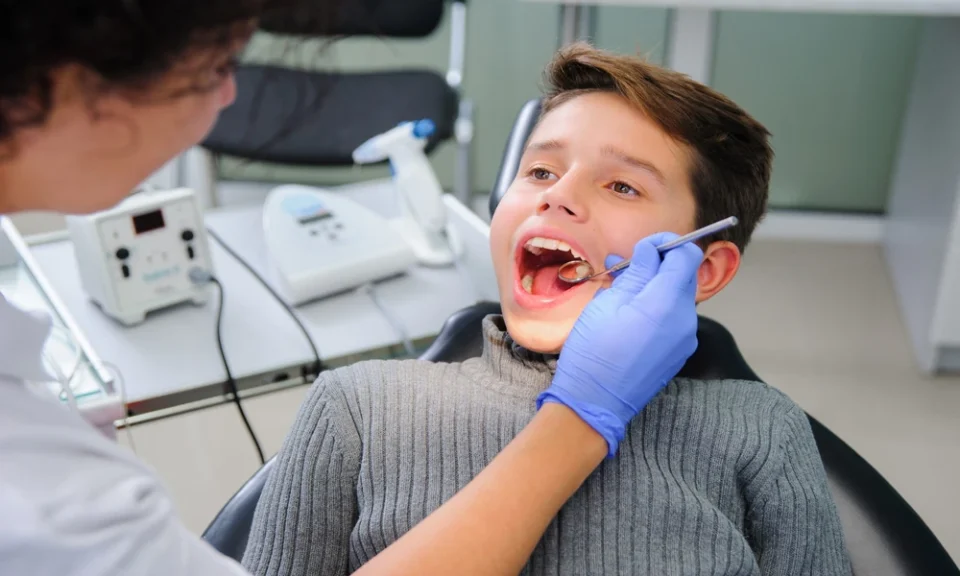
You notice it when you talk, when you swallow, when your tongue drifts across the same spot for the tenth time in an hour. A tooth edge feels rough, sharp, or just wrong, and now your tongue will not leave it alone. That kind of irritation can make a small dental problem feel much bigger by the end of the day. Eating gets annoying, speaking can feel awkward, and the area may start to sting from constant rubbing. Seeking modern dental solutions in Great Neck can help address the issue before it becomes even more uncomfortable.
If a tooth edge keeps bothering your tongue, the usual cause is a chipped tooth, worn enamel, a rough filling, or grinding that changed the shape of the tooth. The short version is simple. Do not keep testing it with your tongue, do not try to file it yourself, and do get it checked by a general dentist. Some cases need a quick smoothing, others need bonding, a filling adjustment, or a crown.
A Sharp Tooth Edge Can Turn Into a Bigger Problem Fast
A rough tooth does more than feel irritating. Constant tongue contact can leave the side of your tongue tender, red, or sore. If the edge is sharp enough, it may create a small cut that keeps reopening. According to MedlinePlus information on tongue problems, ongoing irritation in the mouth can lead to soreness and tissue changes that should not be ignored.
Sometimes the cause is obvious. You bit down on something hard and a corner broke off. Sometimes it sneaks up on you. You may have a filling that has become rough over time, or you may clench and grind at night without realizing it. The National Institute of Dental and Craniofacial Research explains bruxism as a habit that can wear down teeth, flatten edges, and create cracks or chips. That wear can leave a tooth edge irritating the tongue even if you never had a dramatic dental injury.
The trouble with waiting is that the irritation tends to feed on itself. Your tongue checks the area again and again, which keeps the tissue inflamed. A minor chip can become a bigger fracture. A rough filling can keep scraping the same spot. What started as a nuisance becomes pain during meals, sensitivity to cold, or a visible sore that makes you worry.
Four Treatment Approaches for a Tooth Edge Irritating the Tongue
1. Dental smoothing or polishing. If the problem is a small rough spot, your dentist can often smooth the edge in one visit. This is common when a tooth has a tiny chip or a restoration has a gritty edge. For many people, this is the fastest fix for a sharp tooth edge bothering the tongue.
2. Filling or filling adjustment. If an old filling is overhanging, cracked, or uneven, reshaping or replacing it may solve the problem. This matters when the tooth itself is fine but the dental work is what your tongue keeps finding.
3. Dental bonding. Bonding uses tooth colored material to rebuild a chipped or uneven area. It works well for small to moderate chips, especially on front teeth or visible areas where appearance matters along with comfort.
4. Crown or other protective restoration. If the tooth has a larger fracture, heavy wear, or weak structure, a crown may be the safer long term choice. This covers and protects the tooth instead of only smoothing the surface. When damage runs deeper, a simple polish will not hold up.
In some cases, the treatment is not just about the tooth edge. If grinding caused the damage, your dentist may also suggest a night guard. If the tooth is cracked deeply or the nerve is involved, more advanced care may be needed. The right plan depends on why the edge changed in the first place.
Home Relief and Professional Treatment Are Not the Same Thing
You may want immediate relief before you can get in for an appointment. That makes sense. A bit of dental wax or sugar free gum over the sharp spot can sometimes reduce friction for a few hours. Soft foods can help. Warm saltwater rinses may calm irritated tissue. MedlinePlus also outlines basic care for mouth injuries, which can be useful if your tongue has been scraped or cut.
What you should not do is try to file the tooth with a nail file, metal tool, or abrasive product at home. That can remove healthy enamel, worsen a crack, or leave the surface even rougher. Temporary relief is one thing. DIY reshaping is another, and it often creates a more expensive problem.
| Approach | What It Can Help | Main Benefit | Main Risk or Limit |
|---|---|---|---|
| Dental wax or sugar free gum | Short term coverage of a rough edge | Quick relief until appointment | Does not fix the tooth |
| Polishing or smoothing | Minor chips, rough enamel, uneven filling edge | Fast and conservative | Not enough for larger damage |
| Bonding or filling repair | Small to moderate chips or defective fillings | Restores shape and comfort | May wear over time |
| Crown | Large crack, major wear, weak tooth | Strong protection | More involved and higher cost |
Practical Steps When a Rough Tooth Is Scraping Your Tongue
Protect the area today. Stop rubbing the spot with your tongue if you can. Choose softer foods, avoid sharp snacks like chips or crusty bread, and use dental wax as a temporary barrier if needed.
Look for clues about the cause. Think about whether you recently bit something hard, woke up with jaw tension, or noticed an old filling feels different. This helps explain a tooth edge irritating tongue and gives your dentist a better starting point.
Schedule a dental exam soon. A general dentist can tell whether you need simple smoothing or a stronger repair. If the tongue is staying sore, the tooth hurts, or the edge feels newly cracked, do not put it off.
A Small Tooth Problem Deserves Real Attention
A tooth edge that keeps bothering your tongue is easy to dismiss at first, but your mouth usually tells you when something needs care. The good news is that many cases are treatable with a simple fix, and even larger problems are easier to manage when caught early. If you are dealing with a rough tooth edge, a chipped tooth scraping the tongue, or any similar irritation, schedule a visit with a dentist and get the area properly evaluated.
