
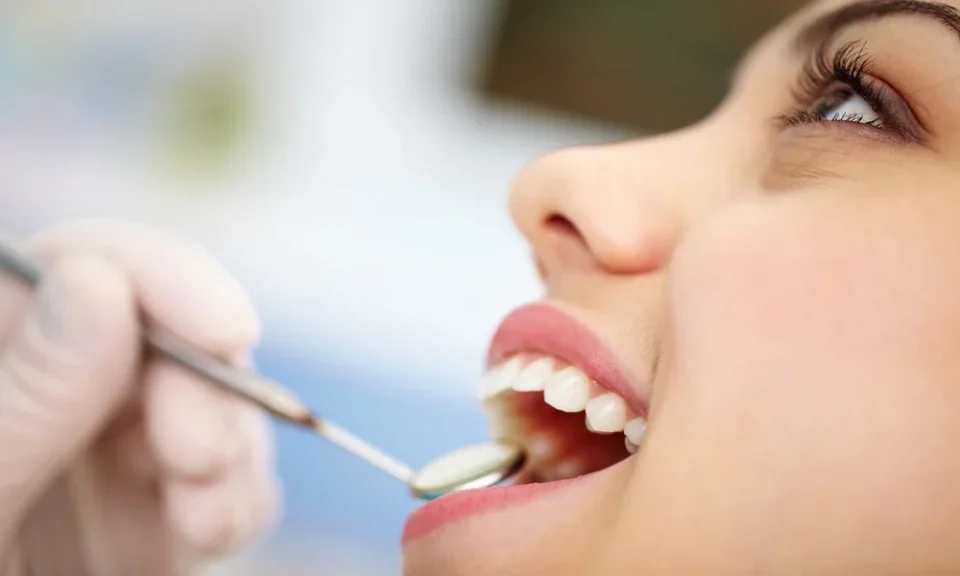
You might have noticed it in small moments first. A teen asking about straighter teeth before school photos. A parent wanting whiter teeth after years of coffee and stress. An older adult wondering if a repaired smile could help them feel like themselves again. That shift is real. The growing demand for Livermore cosmetic dentistry in all age groups is not just about looks. It is about confidence, comfort, health, and the way your smile affects daily life. If you have been curious about treatment but unsure whether it is worth the time or cost, you are not alone.
People used to think cosmetic dental care was only for celebrities or for major makeovers. That idea has changed. More patients now see smile improvements as part of routine self care, much like vision correction, skin care, or fitness. At the same time, public health research keeps reminding us that oral health and overall health are closely linked. The National Institute of Dental and Craniofacial Research highlights this connection, and it helps explain why interest in both appearance and function keeps growing.
Why are more people choosing cosmetic dental care at every stage of life?
For many people, the first concern is emotional. You may cover your mouth when you laugh, avoid photos, or speak less freely because of chipped, stained, uneven, or missing teeth. That can sound minor from the outside, but when it follows you into work meetings, dates, family events, and daily conversations, it starts to feel heavy.
Then there is the practical side. Teeth change with age. Teens may deal with alignment issues. Adults often face staining, grinding, or old dental work that no longer looks natural. Older adults may be managing wear, shifting teeth, or tooth loss. According to the CDC information on tooth loss, losing teeth can affect eating, speaking, and quality of life. Because of this, many people are not just asking how their smile looks. They are asking how it works, and how long they can keep it healthy.
So, where does that leave you? It means esthetic dentistry is becoming more common because it often sits at the meeting point of appearance and function. Whitening, bonding, veneers, clear aligners, and tooth replacement can all support confidence, but they may also improve comfort, bite balance, and oral habits when planned well.
What makes cosmetic dentistry feel worth it for teens, adults, and older patients?
The answer is usually personal. A teen may want to feel less self conscious at school. A working adult may want a polished, healthy appearance that matches how they feel inside. An older patient may want to restore what time, illness, or injury has changed. Different ages bring different goals, but the deeper reason often sounds the same. You want to smile without thinking so hard about it.
There can also be hesitation. What if the treatment looks unnatural? What if it costs more than expected? What if the real issue is health, not cosmetics? Those are fair concerns. Good care does not rush past them. A skilled general and cosmetic dentist will usually start with the basics, checking gum health, decay, bite issues, and daily habits before recommending any smile upgrade. Even the CDC oral health tips for adults stress prevention and routine care, because strong results depend on a healthy foundation.
How does professional cosmetic dentistry compare with quick fixes?
It is easy to be tempted by store bought products or social media trends. Some are harmless, and some can waste money or even damage enamel and gums if used the wrong way. Professional care tends to be more thoughtful because it looks at the full picture, not just the surface problem.
| Option | Best For | Main Benefit | Main Risk or Limitation |
|---|---|---|---|
| Over the counter whitening | Mild surface stains | Lower upfront cost | Uneven results, sensitivity, limited change |
| Professional whitening | Noticeable staining | Stronger, more controlled results | May not fix shape, chips, or deep discoloration |
| Bonding | Small chips, gaps, uneven edges | Fast improvement with less tooth change | Can stain or wear over time |
| Veneers | Multiple cosmetic concerns | Big visual change with custom design | Higher cost, not right for every bite |
| Clear aligners or orthodontics | Crooked or crowded teeth | Improves alignment and often function | Takes time and patient commitment |
This is why smile enhancement treatments are not one size fits all. The right choice depends on your age, oral health, goals, and budget. A cosmetic dentist should help you weigh tradeoffs clearly, not push you toward the most dramatic option.
What can you do right now if you are thinking about improving your smile?
1. Start with a full dental checkup. Before focusing on color or shape, make sure your teeth and gums are healthy enough for treatment. Hidden decay, gum disease, grinding, or bite problems can affect both comfort and final results.
2. Get clear about your goal. Ask yourself what really bothers you. Is it shade, spacing, a cracked tooth, or missing teeth? When you can name the real issue, it becomes easier to explore the right kind of cosmetic dentistry and avoid paying for things you do not need.
3. Ask for a phased plan. If cost feels stressful, you do not have to do everything at once. Many patients do well with a step by step approach, starting with preventive care, then moving to whitening, alignment, or restorations over time.
Can a better smile really change daily life?
For many people, yes. Not because a perfect smile fixes everything, but because feeling comfortable in your own face can ease a quiet strain you may have carried for years. The rising interest in cosmetic dentistry without location reference or age limits shows something simple. People want care that helps them feel healthy, seen, and at ease.
If you have been putting this off, you do not need to decide everything today. Start with questions. Start with a conversation. The right general and cosmetic dentist can help you sort out what is cosmetic, what is functional, and what will serve you best over time.
