
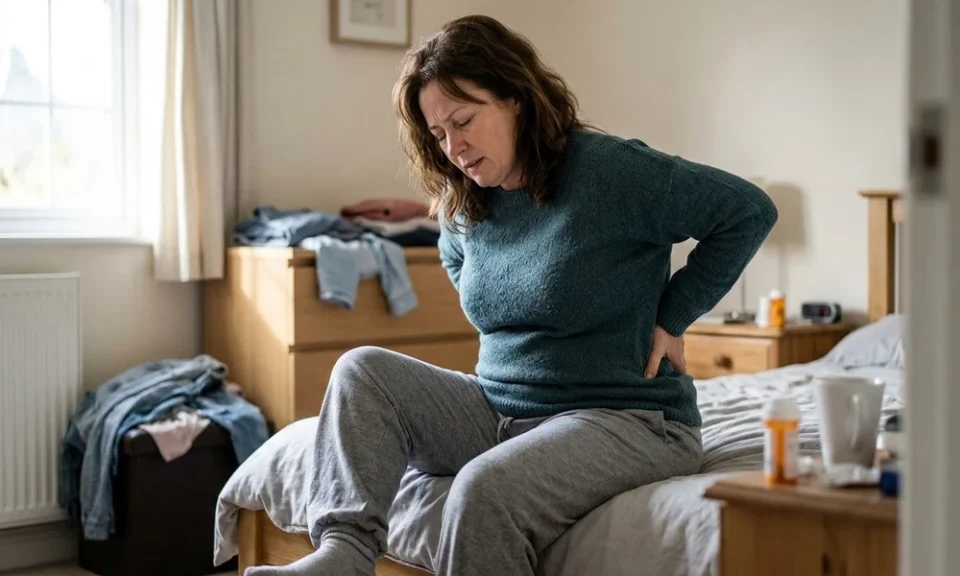
Back pain, weight gain, and low energy are easy to brush off at first. A stiff back might seem like the result of a long workday. Weight changes may feel tied to a busy schedule. Fatigue can be blamed on poor sleep.
But when these issues keep showing up, they can start to affect how someone moves, works, exercises, rests, and gets through daily life.
They can also feed into one another. Musculoskeletal health affects mobility. Metabolism plays a role in weight and energy. Daily habits, including sleep, nutrition, activity, stress, and preventive care, can shape long-term wellness. Understanding these connections can help people recognize when everyday discomfort may need closer attention.
How Back Pain Can Change Daily Movement
Back pain can make ordinary tasks feel harder than they used to. Bending to tie shoes, lifting groceries, sitting through a meeting, driving, or walking up stairs may become uncomfortable.
When pain limits movement, people often start avoiding certain activities. Rest can be helpful at times, but avoiding movement for too long may lead to stiffness, reduced strength, and lower endurance.
The spine, muscles, joints, and nerves work together to support posture and movement. When one part of that system becomes irritated, strained, or injured, discomfort can spread beyond the original area. Back or neck pain may also affect sleep, focus, mood, and the willingness to exercise.
For ongoing back or neck concerns, resources such as CalSpine MD may be helpful for learning about back and neck pain treatment, including when a best spine surgeon may be involved in more complex spine conditions. The need for specialized care depends on the cause, severity, duration, and impact of symptoms.
The Link Between Pain, Inactivity, and Weight Changes
When movement becomes painful, activity often drops. Someone who once walked regularly may stop because their back hurts after a few blocks. Someone who enjoyed strength training may avoid it out of fear of making the pain worse.
Over time, lower activity levels can contribute to changes in body composition, reduced muscle mass, and gradual weight gain.
Weight changes can also add more demand to the musculoskeletal system. Extra body weight may increase stress on the lower back, hips, knees, and feet. That does not mean weight alone causes pain, but it can be one factor among many.
Pain, reduced movement, and weight gain can create a frustrating cycle. Breaking that cycle often starts with small, realistic steps. Gentle walking, stretching, physical therapy, water-based exercise, or low-impact strengthening may help some people rebuild confidence in movement. The right approach depends on a person’s health history, pain level, mobility, and medical guidance.
Why Low Energy Is More Than Just Feeling Tired
Low energy can come from many sources. Poor sleep, chronic stress, low activity, dehydration, inconsistent meals, medication side effects, hormonal changes, and chronic health conditions can all play a role.
Fatigue can also build when someone is dealing with ongoing pain. Pain places constant strain on the body and mind, which can make daily routines feel harder to maintain.
When energy is low, healthy habits may start slipping. Cooking balanced meals, exercising, going to appointments, or staying socially connected can feel overwhelming. This may lead to skipped meals, more convenience foods, longer periods of sitting, and irregular sleep. Over time, these patterns can affect metabolism, mood, and physical resilience.
For adults exploring medical weight loss and lifestyle support, EveresT Men’s Health is one example of a healthcare resource connected to these concerns. Medical guidance may be useful when weight gain, fatigue, or metabolic issues do not improve with basic lifestyle changes.
How Metabolism Influences Weight and Wellness
Metabolism refers to the way the body converts food into energy, regulates hormones, repairs tissues, and supports organ function. It is influenced by age, muscle mass, sleep, stress, physical activity, nutrition, genetics, and medical conditions.
Because of this, weight management is rarely as simple as eating less and moving more.
Muscle plays an important role in metabolic health. People with more lean muscle typically use more energy throughout the day than those with less muscle. When pain or fatigue reduces activity, muscle mass can decline. This may make weight management harder and can also affect strength, balance, and stamina.
A metabolism-focused plan may include more than calorie tracking. It can involve improving protein intake, building strength safely, managing blood sugar, improving sleep, reviewing medications, and checking for underlying medical issues. For many people, gradual, sustainable changes are more helpful than aggressive short-term efforts.
The Role of Preventive Care in Long-Term Health
Preventive care can help identify health concerns before they become more serious. Routine checkups, screenings, lab work, blood pressure monitoring, and conversations about lifestyle habits can provide a clearer picture of overall health.
This can be especially important when symptoms like weight gain, fatigue, or pain persist.
Chronic disease management also affects daily quality of life. Conditions such as diabetes, high blood pressure, arthritis, thyroid disorders, and heart disease can influence energy, mobility, and weight. When these conditions are monitored and managed, people may have a better chance of staying active and independent.
Grand Forks Clinic is one example of a healthcare provider associated with preventive care and chronic disease management. For people with ongoing symptoms, primary care can often be the starting point for evaluation, care coordination, and referrals when needed.
Lifestyle Habits That Support Mobility and Energy
Daily habits can have a meaningful effect on how the body feels. Consistent sleep, balanced meals, hydration, stress management, and regular movement all support musculoskeletal and metabolic health.
These habits do not have to be extreme to be useful. Small changes done consistently are often easier to maintain than major lifestyle overhauls.
Movement is especially important, but it should match the person’s current ability. Someone with back pain may benefit from gentle stretching, short walks, posture breaks, or supervised strengthening. Someone with low energy may need to start with brief activity sessions and build up gradually. The goal is to create momentum without triggering setbacks.
Nutrition matters too. Meals that include protein, fiber, healthy fats, and complex carbohydrates can support steadier energy. Highly restrictive diets may create short-term changes, but they can be difficult to maintain. A practical approach focuses on meals that are realistic, affordable, and suited to a person’s health needs.
When Everyday Tasks Become Harder
Pain, fatigue, and reduced mobility can eventually affect daily living. A person may struggle with bathing, dressing, cooking, cleaning, transportation, medication reminders, or moving safely around the home.
These changes can be frustrating, especially for people who are used to being independent.
Support does not mean someone is giving up independence. The right help can allow a person to stay safer, more comfortable, and more engaged in daily life. Family members, caregivers, home health resources, and community services can all play a role depending on the person’s needs.
For daily living support and caregiving assistance, https://alpenglowcaresmt.com is one example of a resource people may explore. This type of support may be especially helpful when pain, fatigue, or chronic health issues make routine tasks difficult.
Knowing When to Seek Professional Guidance
Many people wait to seek help because they hope symptoms will improve on their own. Sometimes they do. Mild soreness after activity, temporary fatigue after a stressful week, or small weight fluctuations may improve with rest and routine adjustments.
But persistent or worsening symptoms deserve attention.
Warning signs can include pain that travels down the leg or arm, numbness, weakness, unexplained weight changes, severe fatigue, trouble walking, loss of balance, or symptoms that interfere with work, sleep, or self-care. Sudden or severe symptoms should be addressed promptly.
A healthcare professional can help determine whether imaging, lab work, physical therapy, a medication review, or a specialist referral may be appropriate.
Seeking guidance early may help keep small issues from becoming larger ones. It can also help people avoid guessing, overcorrecting, or trying unsafe solutions. A clear plan can make it easier to rebuild strength, improve energy, address weight concerns, and protect long-term health.
Conclusion
Back pain, weight gain, and low energy can affect much more than physical comfort. They can influence independence, mood, relationships, work performance, and the ability to enjoy everyday activities.
Because these concerns often interact, it helps to look at the whole picture instead of treating each symptom as separate.
Musculoskeletal health, metabolism, preventive care, and daily habits all play a role in quality of life. With the right information, support, and professional guidance when needed, many people can take practical steps toward better mobility, steadier energy, and more confidence in their daily routines.
