
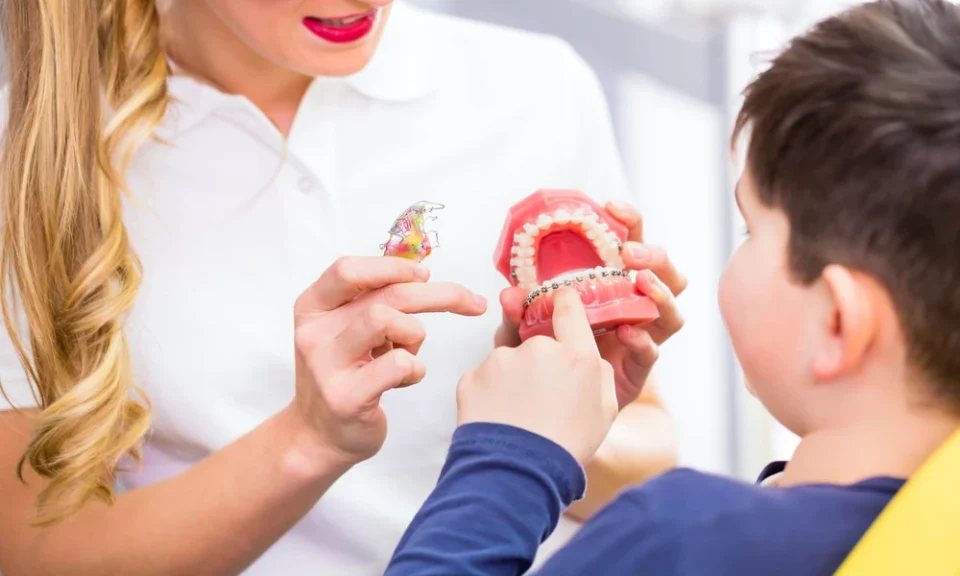
You might have noticed something small at first. Maybe your child’s teeth are coming in crooked, or your own bite feels a little off when you chew. Maybe photos have started to bother you, or you have that quiet feeling that something is not lining up the way it should. When it comes to your smile, it is easy to put off the next step, especially if you are unsure whether the issue is cosmetic, functional, or both. Talking with an orthodontist in Chicago, IL can help you understand what is going on and what options may be available.
That uncertainty can sit with you longer than you expect. You may wonder if you are overreacting, or if waiting will make things harder later. In many cases, the clearest answer comes from speaking with an orthodontist before the problem grows. The short version is simple. If you see crowding or gaps, notice bite problems or jaw discomfort, or feel concerned about how teeth are developing, those are strong reasons to seek an evaluation. A timely visit can give you clarity, options, and peace of mind.
When crooked teeth or spacing issues keep getting harder to ignore, what does that mean?
One of the most common signs is visible crowding, overlapping teeth, or gaps that seem more noticeable over time. Sometimes this shows up in children as permanent teeth come in at odd angles. Other times, adults begin to realize that teeth have shifted over the years, making brushing and flossing harder than they used to be.
Why does that matter beyond appearance? When teeth are crowded, plaque can build up in hard to reach areas, which may raise the risk of decay and gum problems. If there are large spaces, food may trap more easily and make oral care frustrating. According to MedlinePlus information on orthodontia, orthodontic treatment can help correct problems with the alignment of teeth and jaws.
So where does that leave you if the issue seems mild? Even small alignment changes can be worth checking. A consultation does not commit you to treatment. It gives you a clearer picture of whether the problem is stable, getting worse, or likely to affect comfort and oral health later. If you have been searching for signs you need orthodontic treatment, this is often the first one people notice.
If your bite feels off or your jaw gets sore, could that point to a bigger issue?
Yes, it could. Another sign it is time to schedule a visit is a bite that does not feel natural. You may notice your front teeth stick out, your top and bottom teeth do not meet well, or you tend to bite the inside of your cheek. Some people hear clicking in the jaw or feel tension after meals, especially when chewing firmer foods.
At first, it can seem like a minor annoyance. But bite issues can affect more than comfort. They can lead to uneven wear on teeth, strain on the jaw, and trouble speaking or chewing. In some cases, jaw pain may be linked to conditions involving the temporomandibular joint. MedlinePlus offers a helpful overview of TMJ disorders and jaw symptoms, which can help you understand when discomfort should not be brushed aside.
What if the pain comes and goes? That still matters. Problems with alignment do not always cause constant symptoms. They may show up only when stress, grinding, or certain foods make the strain worse. An orthodontic consultation can help sort out whether the issue is tied to your bite and what options might help.
Are changes in your child’s teeth or mouth habits a reason to see an orthodontist?
They often are. For children, timing can make a real difference. If baby teeth fall out very early or very late, if adult teeth seem blocked, or if there are habits like thumb sucking that continue beyond the toddler years, those can all affect how the mouth develops. You may also notice mouth breathing, speech concerns, or teeth that do not seem to fit together well.
Parents often worry about waiting too long, and that concern is understandable. Some alignment issues are easier to guide while the jaw is still growing. That does not mean every child needs braces right away. It means an evaluation can help you understand what is normal, what needs monitoring, and what may benefit from early care. MedlinePlus also explains how thumb sucking can affect teeth and mouth development, which is one example of how habits can shape future alignment.
If you have been wondering about when to see an orthodontist, this is one of the clearest times to ask. Early insight can reduce stress later, even if the answer is simply to watch and wait.
How does watching and waiting compare with getting an orthodontic consultation now?
Many people hesitate because they assume a consultation means treatment is urgent or expensive. Often, it simply means getting informed. Seeing a professional early can help you compare today’s situation with what may happen if you wait.
| Situation | Wait and See | Schedule a Consultation |
|---|---|---|
| Mild crowding or gaps | Teeth may shift more, making cleaning harder over time | You learn whether monitoring is enough or treatment would help |
| Bite feels uneven | Jaw strain or tooth wear may continue without a clear cause | You can identify whether alignment is contributing to discomfort |
| Child’s teeth erupting oddly | Growth patterns may become harder to guide later | You get age appropriate advice and a timeline for follow up |
| Concern about appearance | Self-consciousness may grow, especially in social settings | You get realistic options for improving function and smile alignment |
This is why an orthodontic consultation can be so useful. It replaces guessing with a plan. Whether you need treatment now, later, or not at all, you leave with more confidence than you had before.
What can you do right now if you think you may need orthodontic care?
1. Pay attention to patterns. Notice whether teeth are shifting, whether chewing feels awkward, or whether jaw soreness follows certain meals or times of day. If the concern involves your child, take note of mouth habits, speech changes, and how new teeth are coming in.
2. Take photos and write down questions. A few clear smile photos taken over several months can reveal changes you might not catch day to day. Write down things like when discomfort started, whether teeth are hard to clean, and what you hope to improve. This helps make the visit more productive.
3. Schedule an evaluation before the issue feels urgent. You do not need to wait for pain or major crowding to get answers. An early visit with an orthodontist can help you understand your options, timing, and what kind of care, if any, makes sense.
If something about your teeth, bite, or your child’s dental development has been bothering you, it is worth listening to that instinct. You do not need to have all the answers before you reach out. Sometimes the most helpful step is simply getting a clear opinion from a trusted orthodontist, so you can move forward with less worry and more confidence.
