
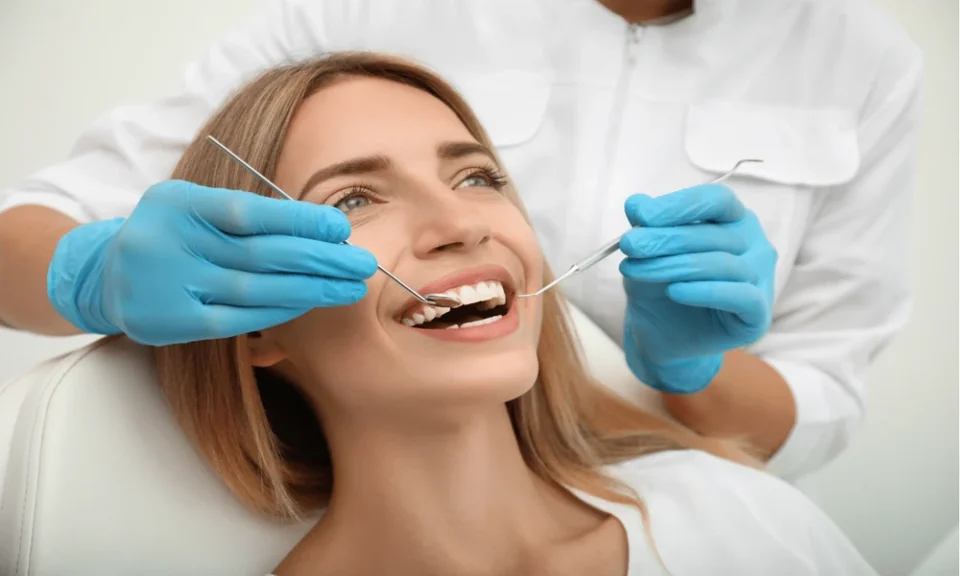
You might be looking in the mirror and thinking it is only about the way your smile looks. Maybe you have a chipped tooth, stains that do not lift, or gaps that make you cover your mouth when you laugh. On the surface, it can seem like a cosmetic issue and nothing more. But when your teeth affect how you eat, speak, smile, or feel in a room full of people, it stops being a small thing. At a Lodi dental office, it becomes part of your daily life.
That is why Why Cosmetic Dentistry Is About More Than Just Aesthetics matters. Treatments in family and cosmetic and implant dentistry can improve appearance, yes, but they can also support comfort, bite function, oral health habits, and self confidence. If you have been telling yourself it is “just cosmetic,” it may help to look at the bigger picture.
When a smile concern affects daily life, is it still only cosmetic?
A worn, cracked, or missing tooth can create problems that reach far past appearance. You may chew on one side because the other feels sensitive. You may avoid photos, hold back in conversations, or speak less clearly because of gaps or damaged teeth. Over time, these changes can shape how you move through work, family events, and even simple meals.
Because of this tension, you might wonder where the line is between cosmetic care and health care. In real life, that line is not always clear. A treatment that improves the look of a tooth may also protect its structure, restore balance to your bite, and make brushing and flossing easier. That is one reason many people seek smile enhancement treatments not out of vanity, but out of a wish to feel normal again.
The broader picture of oral health supports this idea. The CDC explains the importance of oral health as part of overall health and well being, not something separate from the rest of the body. When your mouth hurts or does not work well, it can affect nutrition, sleep, speech, and confidence.
How can cosmetic dental care support health and function too?
Some treatments often grouped under cosmetic dentistry also help with structure and function. Bonding can repair chips that catch on food or irritate your tongue. Crowns can restore teeth that are worn down or weakened. Implants can replace missing teeth, which may help keep nearby teeth from shifting and help you chew more evenly.
Think about a common situation. A person loses one tooth in the back and waits because it is not visible. At first, it feels manageable. Then chewing becomes awkward, the opposite side does more work, and nearby teeth begin to drift. What started as one missing tooth can turn into a larger issue. In cases like that, cosmetic and restorative care overlap in a meaningful way.
Research has also shown that oral health affects quality of life in deep ways. The Oral Health in America report from NIDCR describes how oral conditions can influence daily function, social connection, and long term health. So if you feel that your smile is holding you back, that feeling is real, and it deserves attention.
What should you weigh before choosing cosmetic dentistry?
It helps to look at the choice from more than one angle. Cost matters. Time matters. Your goals matter too. Some people want a brighter smile before a major life event. Others want to fix years of wear, old dental work, or missing teeth. The right path depends on what is bothering you, what is causing it, and what outcome will actually improve your life.
| Concern | Common Cosmetic Option | Possible Added Benefit | What to Consider |
|---|---|---|---|
| Stained teeth | Professional whitening | May improve confidence and encourage better oral care habits | Not all stains respond the same way |
| Chipped or uneven teeth | Bonding or veneers | Can smooth rough edges and improve comfort | Durability, maintenance, and bite forces matter |
| Worn or weak teeth | Crowns | Can restore shape, strength, and chewing function | Needs careful evaluation of tooth health |
| Missing teeth | Dental implants | May support bite balance and help limit shifting | Healing time, bone support, and budget |
There is also the question of what happens if you wait. Some problems stay stable for a while. Others get worse quietly. A damaged tooth can become more fragile. A missing tooth can affect neighboring teeth. According to MedlinePlus information on tooth disorders, tooth damage and loss can lead to pain, infection, and trouble eating if not addressed.
What can you do right now if you are unsure where to start?
1. Get clear on what is bothering you. Write down the top three issues you notice most. Is it color, shape, pain, chewing, spacing, or a missing tooth? This helps separate a vague feeling of dissatisfaction from a real treatment goal.
2. Ask about function, not just looks. When you discuss options, ask how each treatment may affect comfort, bite, cleaning, and long term upkeep. That simple shift can help you choose care that supports both appearance and health.
3. Think in phases if cost feels heavy. You do not always have to do everything at once. In many cases, urgent needs can be handled first, then appearance goals can follow over time. That can make cosmetic dentistry feel more manageable and less overwhelming.
Could this be the right time to see your smile differently?
If you have been carrying around the idea that your concerns are too small or too cosmetic to matter, it may be time to give yourself more credit. Your smile affects how you eat, how you speak, how you show up, and how comfortable you feel being seen. That is not shallow. That is human.
Family and cosmetic and implant dentistry can do more than change the look of your teeth. It can help restore ease, function, and confidence in ways that touch everyday life. If your smile has been bothering you for a while, taking the next step could bring more relief than you expect.
